
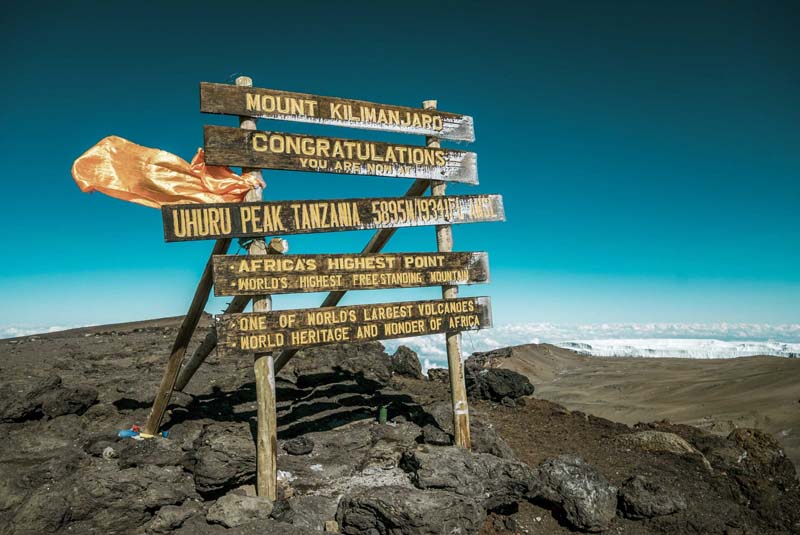
Mount Kilimanjaro, the majestic “Roof of Africa,” stands tall at 5,895 meters (19,341 ft) above sea level, making it the highest mountain in Africa and one of the most iconic trekking destinations in the world. Located in northern Tanzania, near the Kenyan border, this dormant stratovolcano offers a once-in-a-lifetime experience for adventurers, photographers, and nature lovers.
🌍 About Mount Kilimanjaro
Kilimanjaro is composed of three volcanic cones — Kibo, Mawenzi, and Shira. It’s part of Kilimanjaro National Park, a UNESCO World Heritage Site, home to lush rainforests, alpine meadows, and snow-capped peaks.
Unlike many high-altitude climbs, Kilimanjaro doesn’t require technical mountaineering skills — making it accessible to fit travelers seeking a challenge and breathtaking views.
✈️ How to Get There
- Nearest Airport: Kilimanjaro International Airport (JRO) — about 45 km from Moshi, the main base town.
- By Road: You can reach Moshi or Arusha from Nairobi (Kenya) or Dar es Salaam (Tanzania) by bus or private car.
- From Airport to Base: Taxis and shuttle services are easily available to Moshi or Arusha.
🥾 Trekking Routes to the Summit
There are several official routes to reach Uhuru Peak, each offering a unique experience:
- Marangu Route (“Coca-Cola Route”) – The only route with hut accommodation. Moderate difficulty.
⏱️ Duration: 5–6 days - Machame Route (“Whiskey Route”) – Most popular and scenic route. Steeper but rewarding.
⏱️ Duration: 6–7 days - Lemosho Route – Beautiful, less crowded, with high success rates.
⏱️ Duration: 7–8 days - Rongai Route – Approaches from the north; drier and quieter.
⏱️ Duration: 6–7 days - Umbwe Route – Shortest and steepest; for experienced trekkers.
⏱️ Duration: 5–6 days
🏨 Accommodation and Staying Options
1. Before and After the Climb
Most trekkers stay in Moshi or Arusha before and after their trek.
Recommended options:
- 🏡 Kaliwa Lodge – Near Machame Gate, with Kilimanjaro views.
- 🏨 Weru Weru River Lodge – Comfortable mid-range option.
- 🛎️ Kibo Palace Hotel (Arusha) – Great for rest before/after trek.
2. On the Mountain
- On Marangu Route, you’ll stay in basic wooden huts with bunk beds.
- On other routes, you’ll camp in tents provided by your trekking operator.
- Porters usually carry equipment, food, and tents — so you trek light.
🍲 Food and Water
Meals are prepared by the trekking team — usually simple, high-energy dishes (porridge, rice, vegetables, soups, and fruits).
Boiled or filtered water is provided daily. Bring water purification tablets as backup.
🧭 Best Time to Visit Mount Kilimanjaro
- Dry Seasons (Best for Climbing):
🗓️ January to March and June to October
These months offer clear skies and comfortable temperatures. - Avoid: April–May (heavy rains) and November (short rains).
🌡️ Weather and Altitude Tips
- Temperatures range from 25°C at the base to -15°C near the summit.
- Altitude sickness is the main challenge — climb slowly (“pole pole” in Swahili).
- Stay hydrated and take acclimatization days seriously.
🎒 Packing Essentials
- Sturdy hiking boots
- Layered clothing (base, fleece, down jacket)
- Rain gear
- Sleeping bag (four-season rated)
- Trekking poles
- Headlamp, sunscreen, and sunglasses
- Reusable water bottle and snacks
💰 Cost and Permits
- A Kilimanjaro climb costs between $1,800 – $4,000 USD, depending on the route, number of days, and operator.
- This includes park fees, guide/porter wages, meals, and camping gear.
- Always book with a licensed and reputable operator — safety and ethical porter treatment matter.
📸 Top Experiences
- Watching sunrise from Stella Point or Uhuru Peak
- Traversing rainforest to alpine desert landscapes
- Spotting wildlife — colobus monkeys, birds, and more
- Visiting nearby Chagga villages and coffee farms
- Exploring Materuni Waterfalls after your climb
🧡 Final Thoughts
Climbing Mount Kilimanjaro is not just a trek — it’s a journey of endurance, wonder, and personal triumph. Whether you reach the summit or simply experience its majestic slopes, Kilimanjaro leaves an unforgettable mark on your soul.
So pack your spirit of adventure, embrace the challenge, and stand on the roof of Africa — where the earth touches the sky.