
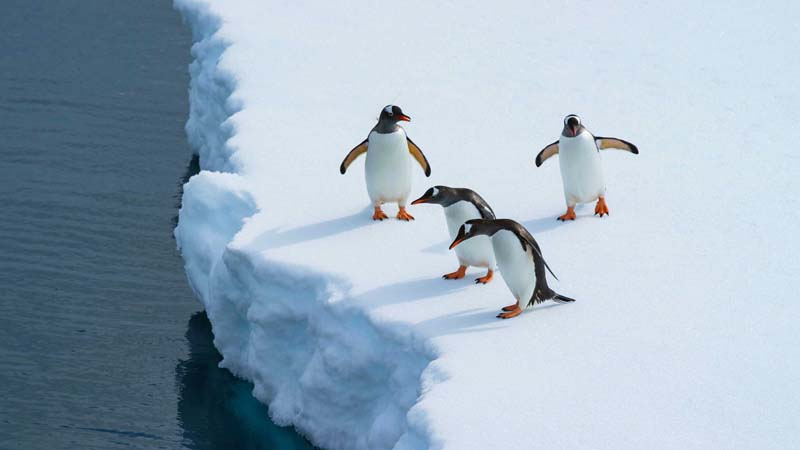
Antarctica, often called “the last frontier,” is a land of pure wilderness, icy landscapes, and breathtaking beauty. Located at the southernmost tip of the Earth, this remote continent is home to glaciers, penguin colonies, seals, whales, and endless stretches of white wonder. Unlike other travel destinations, visiting Antarctica requires careful planning, but the reward is an unforgettable, once-in-a-lifetime adventure.
1. How to Reach Antarctica
Traveling to Antarctica is usually done through organized tours and cruises, as independent travel is not allowed. Most expeditions depart from Ushuaia, Argentina, known as the “Gateway to Antarctica.” Travelers typically take a flight to Ushuaia and then board a cruise ship or expedition vessel across the Drake Passage. Another option is fly-cruise packages, where travelers fly to King George Island and board a smaller vessel to explore further.
The best time to visit is November to March, during the Antarctic summer. This period offers 24-hour daylight, milder temperatures, and excellent wildlife sightings.
2. Top Experiences in Antarctica
- Wildlife Watching: Witness thousands of penguins, majestic whales, seals, and seabirds in their natural habitat.
- Glacier Exploration: Cruise through icy fjords and massive glaciers like Neko Harbor and Paradise Bay.
- Deception Island: A unique volcanic caldera where you can even take a polar plunge in geothermal waters.
- Kayaking & Zodiac Rides: Get close to icebergs and marine life with guided adventure activities.
- Historic Sites: Visit research stations and old whaling sites to learn about human history on the continent.
3. Accommodation and Staying Options
Unlike typical destinations, Antarctica doesn’t have hotels in the conventional sense. Travelers usually stay on expedition ships equipped with comfortable cabins, dining facilities, and observation decks. Some high-end cruises offer luxury suites, spas, and fine dining experiences.
For those seeking a more adventurous stay, a few private tour operators offer camping experiences on the Antarctic ice, under the midnight sun or the southern stars. These camps are eco-friendly and strictly regulated to protect the fragile environment.
Popular types of stays:
- Expedition Cruise Ships (standard to luxury)
- Eco Camps (limited availability)
- Research Base Visits (for scientific expeditions only)
4. Travel Tips & Essential Information
- Visa: No visa is required for Antarctica, but you’ll need to follow the visa rules of the country from where your tour departs (e.g., Argentina or Chile).
- Permits: Travel must be booked through authorized tour operators adhering to the Antarctic Treaty System.
- Clothing: Layered thermal wear, waterproof boots, gloves, and sunglasses are essential to combat cold and glare.
- Health & Safety: Travel insurance is mandatory, and all visitors must follow strict environmental guidelines.
- Connectivity: There is no mobile network; some ships offer satellite internet for emergency communication.
5. Best Time to Visit
- November: Early season with pristine snow and courtship displays of penguins.
- December to January: Peak season with warmer temperatures, wildlife activity, and long days.
- February to March: Ideal for whale watching and fewer crowds.
6. Why Antarctica Should Be on Your Bucket List
Antarctica is not just a destination—it’s a transformative experience. Standing amidst towering glaciers, watching playful penguins, and breathing in the crisp polar air gives travelers a new perspective on the planet. This untouched wilderness reminds us of the beauty and fragility of our Earth.
Whether through a luxury cruise or an eco-friendly expedition, a journey to Antarctica promises adventure, serenity, and memories that last a lifetime.